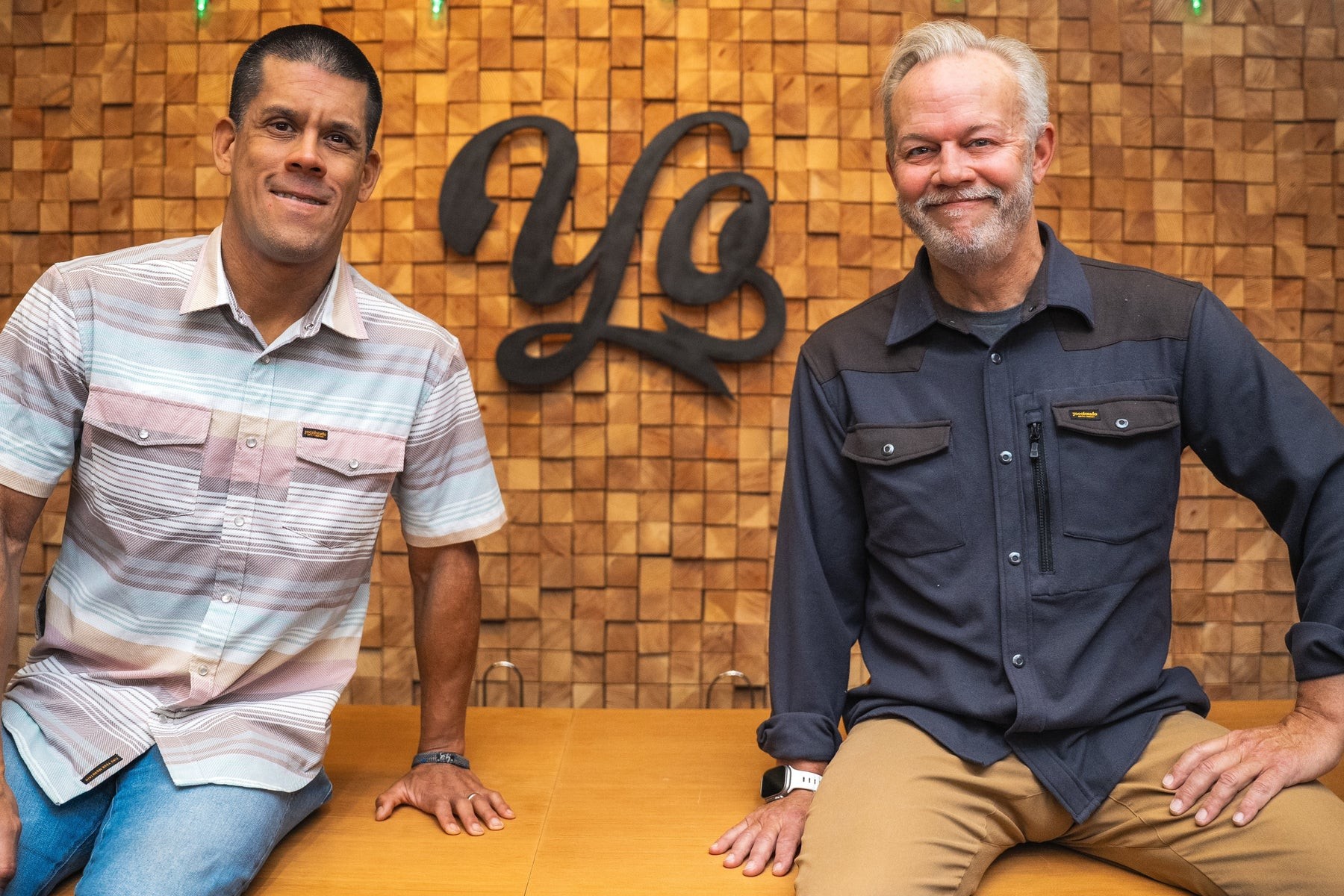
A local brand can spend years establishing what a place means to its customers. An airport presents that identity to people who may have only a few minutes to understand it—and who may be about to carry it somewhere else.
YoColorado announced on September 29 that it had opened a 1,600-square-foot store at Denver International Airport. The company describes itself as a Colorado-based outdoor apparel business with a retro-inspired visual identity. Its official newsroom places the airport location alongside its existing retail presence in downtown Golden.
GlobalFounderTimes analysis: the expansion is interesting because the retail context changes. A neighbourhood store can rely on repeat visits and local familiarity. An airport location must make the brand legible to travellers with different levels of knowledge, available time and reasons to buy. The same product may function as everyday clothing for one person and a reminder of a journey for another.
For a founder, that raises a useful distribution question: does the next channel merely add reach, or does it change the role the product plays? A location can put the business in front of a new customer need without requiring a completely new product. But the range, presentation and explanation still have to fit that moment.
Airport expansion also should not be treated as automatic proof of commercial success. Store economics depend on costs, conversion, staffing, stock availability and the agreement behind the location. The opening announcement establishes the move, not its profitability. Those are separate questions that future performance would need to answer.
The broader lesson is to expand from a recognisable identity rather than abandon it for a bigger audience. A founder can ask what must remain constant—the design language, product promise or connection to place—and what should adapt to the new setting. YoColorado’s September opening offers a tangible case: a regional brand testing how its identity travels when the shop itself becomes part of the journey.